
The short answer
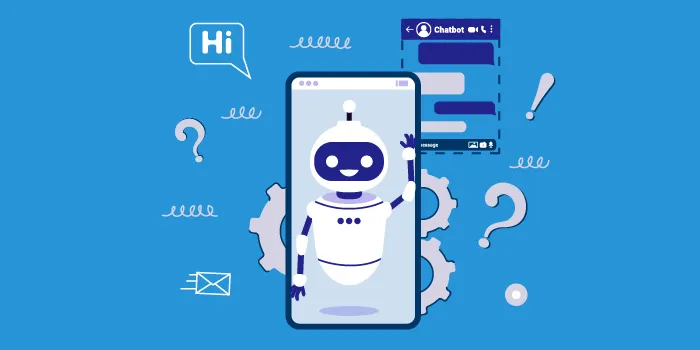
Agentic AI voice and chat agents are AI systems that hold real conversations with customers, by phone, WhatsApp, SMS or web chat, and then take action: book the appointment, qualify the lead, verify the customer, update the CRM, send the payment link, or hand the conversation to a person. "Agentic" means the AI does not just answer questions; it completes tasks inside your business systems.
For a business, that means every call and message is answered within seconds, at any hour, in the customer's language, without adding headcount. Human staff spend their time on the conversations that need judgement, not on repeating the same answers.
Agentic AI vs chatbots and IVR
| IVR menu | Rule-based chatbot | Agentic AI agent | |
|---|---|---|---|
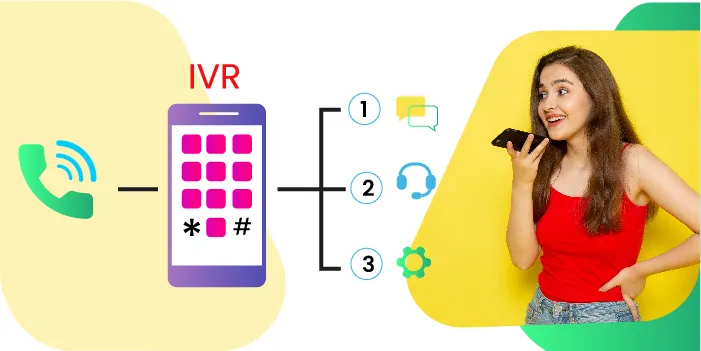
| How the customer talks | Presses keys | Picks buttons or exact phrases | Speaks or types naturally |
| Understands | Menu choices | Pre-written keywords | Intent, context and follow-up questions |
| Takes action | Routes the call | Shows an answer or a link | Books, verifies, updates systems, sends messages |
| Channels | Phone | Usually one chat channel | Voice, WhatsApp, SMS and web chat |
| When it cannot help | Queue for an agent | Dead end or "contact us" | Hands over to a person with the full conversation |
IVR and simple chatbots still have their place for very simple routing. The difference is that an AI agent can finish the job the customer called about.
How an AI voice and chat agent works
- Listening. On a call, speech-to-text turns the customer's words into text in real time. In chat, the text arrives directly.
- Understanding. A large language model works out what the customer wants, using your instructions, your business knowledge (services, prices, policies, FAQs) and the conversation so far.
- Acting. The agent calls the tools you allow: your calendar to book a slot, your CRM to create a lead, a payment link, an identity check, an SMS or WhatsApp message.
- Responding. Text-to-speech replies in a natural voice on calls; chat replies go back on the same channel.
- Recording. The outcome, transcript and next steps are written to your systems, so staff see exactly what happened.
Underneath sits the telecom layer: phone numbers, voice calls and messaging. That layer decides whether calls connect and messages arrive, which is why AI agents work best on a platform that also runs the numbers and routes.
What AI agents can do
- AI receptionist: answer every call, handle FAQs, take bookings and messages for clinics, offices and small businesses, around the clock.
- Lead qualification: ask your qualifying questions, score the lead and push it to your CRM for the sales team.
- Appointment setting: book, reschedule and cancel, then send reminders over SMS or WhatsApp to reduce no-shows.
- Customer support: order status, account questions, policy information and troubleshooting, with escalation when needed.
- Channel switching: in the middle of a call, send a secure WhatsApp or SMS link for document upload or payment, with no app to install.
- Identity verification: document OCR and face match, combined with network checks that confirm number ownership and flag recent SIM swaps.
- Outbound calls and reminders: payment reminders, renewal calls, feedback surveys and event confirmations, with consent.
- Website chat: answer visitors, recommend products and capture enquiries while they are still on the page.
Use cases by industry
- Healthcare: AI receptionists for clinics and hospitals that book appointments, answer timing and fee questions, and send reminders, so front-desk staff can focus on patients in the room.
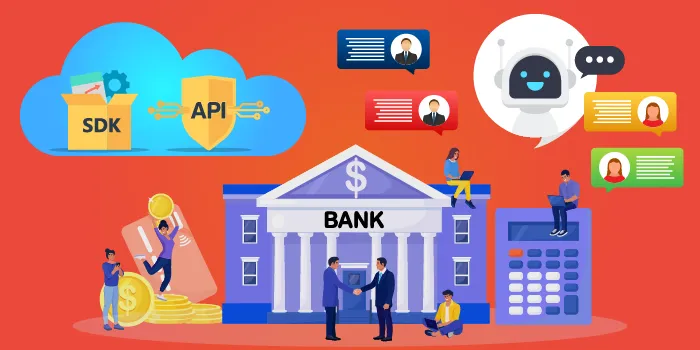
- Banking, NBFCs and fintech: loan enquiries, KYC with document upload and identity checks, EMI and payment reminders, card and account support.
- Education: admission enquiries, course and fee information, counselling bookings and fee reminders, often in several languages.
- Real estate: qualifying property enquiries, sharing project details and booking site visits.
- Government helplines: answering high volumes of citizen calls in local languages, registering grievances and sharing status updates.
- E-commerce and retail: order tracking, returns, delivery rescheduling and product questions on WhatsApp and web chat.
See how these fit together for each sector on our industry solutions page.
Humans in the loop
A good AI agent knows when to stop. It should hand the conversation to a person when the customer asks for one, when it is not confident of the answer, when the topic is sensitive, or when a decision needs human approval. The person who takes over should see the full transcript and what the agent already collected, so the customer never repeats themselves.
The aim is not to replace your team but to take the repetitive volume off them: the agent handles the routine calls at any hour, and your staff handle the conversations that need judgement and relationships. Many businesses route AI-qualified leads and escalations straight into their call centre and CRM.
Risks and how to manage them
- Wrong answers. Limit the agent to your approved knowledge, tell it to say when it does not know, and review transcripts regularly.
- Consent and calling rules. Follow local rules for automated and outbound calls and messages, record consent, and tell customers they are talking to an AI agent.
- Data protection. Decide what the agent may see and store, mask sensitive data, and keep data where your regulations require.
- Fraud and identity. For financial actions, combine conversation with proper verification, such as document checks and network signals, rather than trusting what a caller says.
- Call quality. Poor phone routes break the experience. Voxvalley carries calls and messages through telecom operators only, not through third-party dialers.
How to choose an AI agent platform
- Channels: one agent across voice, WhatsApp, SMS and web chat, rather than separate bots per channel.
- Actions, not just answers: can it book, update your CRM, send links and verify customers?
- Languages and voice quality: test it in the languages and accents your customers use.
- Human handoff: with full context, to your team or call centre.
- Telecom underneath: numbers, voice and messaging on the same platform, sent through operators.
- Integrations: your CRM, calendar, payment gateway and helpdesk.
- Reporting: transcripts, outcomes, containment rate and conversion.
- Pricing: clear per-conversation or monthly pricing, and a trial on your own use case.
Launching your first agent in six steps
- 1. Pick one high-volume use case, such as appointment booking or lead qualification, with a clear success measure.
- 2. Write down the conversation: what the agent should ask, what it can do, and when it must hand over.
- 3. Give it your knowledge: services, prices, timings, policies and the top questions customers ask.
- 4. Connect the tools: calendar, CRM, messaging and, where needed, payment and identity checks.
- 5. Test with real calls and chats, in every language you need, before going live.
- 6. Go live, review and improve: read transcripts weekly, fix gaps and expand to the next use case.
Selling AI agents under your own brand
Telecom operators, CPaaS resellers, IT companies and agencies can offer AI voice and chat agents to their own customers as a new revenue line. With a white-label platform, the agents carry your name, logo and pricing; you onboard and manage customers from your own partner console; and the platform provider runs the hosting, operator routing, upgrades and support.
Voxvalley's Agentic AI Voice & Chat is available on monthly rental and as a white-label platform, metered per conversation, with a free trial to test it on your own use case. Read more on our white label and partners page, or talk to our team about your first agent.