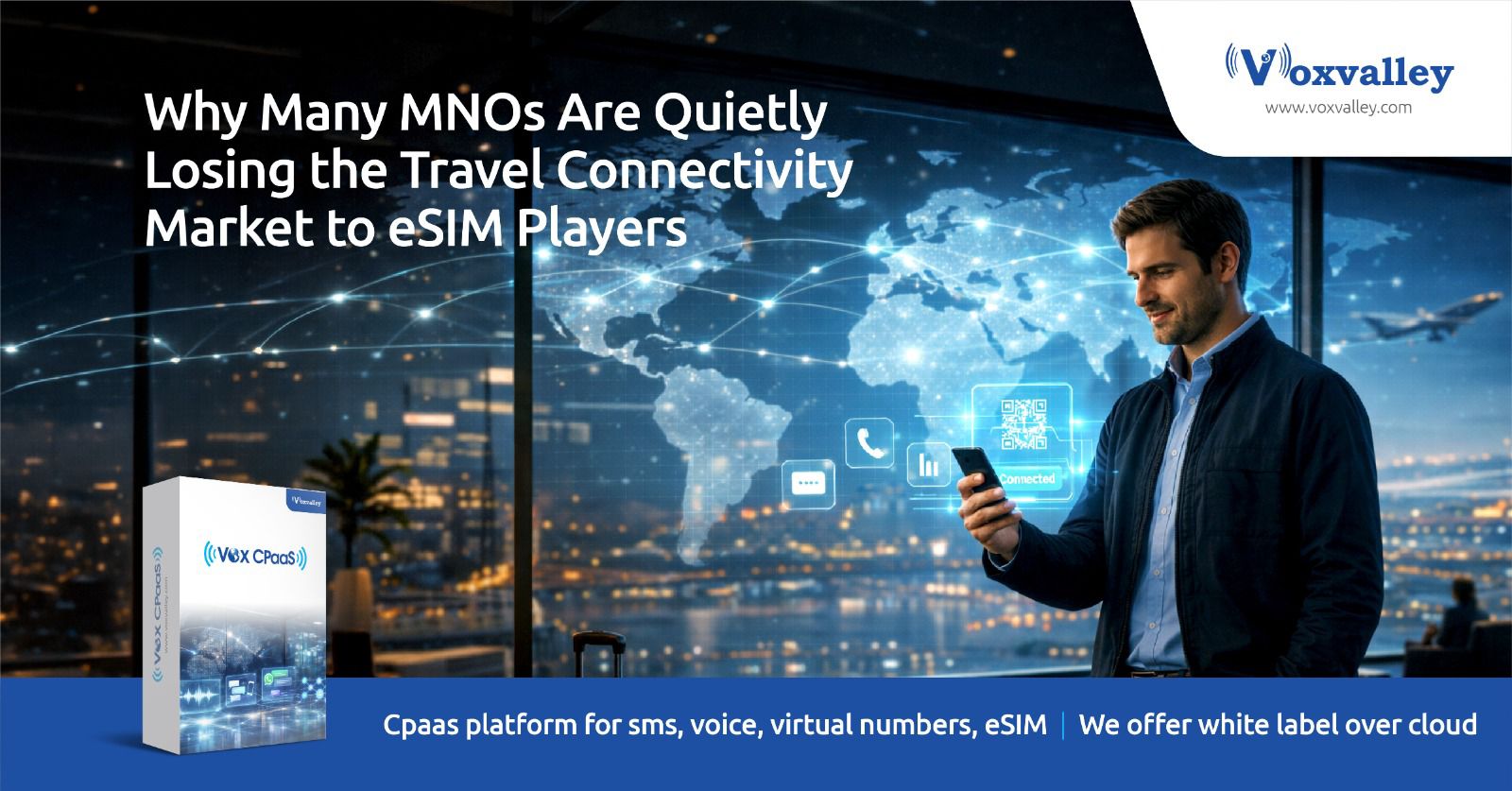
Why Many MNOs Are Quietly Losing the Travel Connectivity Market to eSIM Players
For decades, international roaming was one of the most profitable services for mobile network operators. Travelers who needed connectivity abroad had limited options. They either paid expensive roaming charges or purchased a local SIM card upon arrival. However, the travel connectivity landscape is changing rapidly.
The rise of eSIM technology and digital connectivity platforms is transforming how travelers access mobile networks around the world.
The Traditional Roaming Model
Historically, mobile operators generated significant revenue from roaming services. When customers traveled internationally, they continued using their home network through roaming agreements with foreign operators. Although convenient, roaming often came with high costs. Travelers frequently experienced “bill shock” after returning from international trips due to high roaming data charges. As a result, many travelers began looking for alternatives such as local SIM cards. However, even purchasing a local SIM card involved inconvenience. Travelers needed to locate a store, provide identification documents, and physically replace their existing SIM card.
The Rise of eSIM Technology
eSIM technology has introduced a completely new way to access mobile connectivity. Instead of inserting a physical SIM card, users can activate a mobile plan digitally by scanning a QR code or downloading a profile directly to their device. This allows travelers to purchase and activate connectivity before they even arrive at their destination. The entire process can be completed in minutes through a mobile application.
Why Travelers Prefer eSIM
The rapid adoption of travel eSIM platforms is driven by several key advantages.
Instant Activation
Travelers can purchase data plans and activate connectivity instantly without visiting a physical store.
Global Coverage
Many travel eSIM providers offer connectivity packages that cover multiple countries, allowing travelers to move between destinations without changing SIM cards.
Cost Transparency
Unlike roaming charges, eSIM plans often provide clear pricing and data allowances.
Convenience
The ability to activate connectivity digitally removes the need for SIM swapping or searching for local operators. These advantages have made eSIM solutions particularly attractive to frequent travellers and digital nomads.
The Opportunity for Mobile Operators
While the rise of travel eSIM platforms may appear to threaten traditional roaming revenue, it also creates a significant opportunity for mobile operators. Operators can launch their own digital eSIM platforms, enabling them to offer global connectivity services directly to customers.
By adopting digital connectivity platforms, operators can:
- Offer international data packages through mobile apps
- Reach travelers before they depart for their destination
- Expand services beyond their domestic markets
- Integrate communication services such as voice and messaging
This approach allows operators to participate in the growing travel connectivity ecosystem rather than losing market share to new digital entrants.
Integrating eSIM with Communication Platforms
The next stage of innovation will involve integrating eSIM connectivity with communication platforms. When combined with communication platforms, operators can offer services such as:
- Voice calling through cloud communication platforms
- Virtual numbers for global communication
- Messaging services for businesses and travellers
This combination enables operators to deliver complete communication solutions rather than just data connectivity.
The Future of Travel Connectivity
The travel connectivity market is shifting toward digital platforms that prioritize convenience, instant activation, and global coverage. eSIM technology is playing a central role in this transformation. Mobile operators that adapt to this new model will have the opportunity to expand their reach and develop new revenue streams. Those that continue relying solely on traditional roaming models risk losing market share to digital-first connectivity providers. The future of travel connectivity is digital, flexible, and platform-driven.
Get Free Startup Kit !
Zero Investment & 6 Months Free